A comfortable home depends on reliable heating, cooling, and plumbing systems that work efficiently throughout the year. When these essential systems are properly maintained and upgraded with modern solutions, homeowners can enjoy better indoor comfort, lower utility costs, improved energy efficiency, and fewer unexpected repairs. Understanding how to care for these systems is key to protecting both your home and your long-term investment.
Advancements in HVAC and plumbing technology have made it easier than ever to improve system performance while reducing energy and water consumption. From high-efficiency heating and air conditioning equipment to smart thermostats, leak detection systems, and water-saving plumbing fixtures, today’s solutions offer greater convenience, reliability, and sustainability for homeowners.
This guide explores modern HVAC and plumbing solutions that can help create a more comfortable and efficient home. You’ll learn about common system issues, preventive maintenance practices, and practical upgrades that enhance performance, extend equipment lifespan, and reduce the risk of costly breakdowns. Whether you’re planning a renovation or simply looking to improve your home’s everyday comfort, these insights can help you make informed decisions.
How to Identify Early Warning Signs in Home Systems
Catching problems early is one of the most effective ways to avoid expensive repairs and system failures. Many homeowners overlook subtle warning signs because the system is still technically working, but these early indicators often point to deeper inefficiencies. Ignoring them can lead to sudden breakdowns at the worst possible time, especially during extreme weather conditions. Your HVAC system, for example, may begin to show minor inconsistencies long before a full failure occurs.
Similarly, small plumbing issues can escalate quickly if they are not addressed in time. Being proactive about identifying these signs can save you both money and stress. It also helps you maintain a more comfortable and reliable home environment year-round.
Key warning signs to watch for:
- Unusual noises like banging, rattling, or hissing from vents or pipes
- Inconsistent temperatures between rooms
- Rising utility bills without a clear explanation
- Slow drains or reduced water pressure require plumbing services
What you should do:
- Track monthly utility bills to identify unusual spikes
- Perform visual inspections of vents, pipes, and exposed components
- Address minor issues before they worsen
- Schedule professional inspections if problems persist
Taking the time to monitor your systems regularly can make a significant difference in long-term performance. Even simple habits like listening for unusual sounds or checking airflow can alert you to early issues. When combined with periodic professional checkups, these steps help ensure your home systems remain efficient and dependable. Staying attentive also reduces the likelihood of emergency repairs and extends the overall lifespan of your equipment.
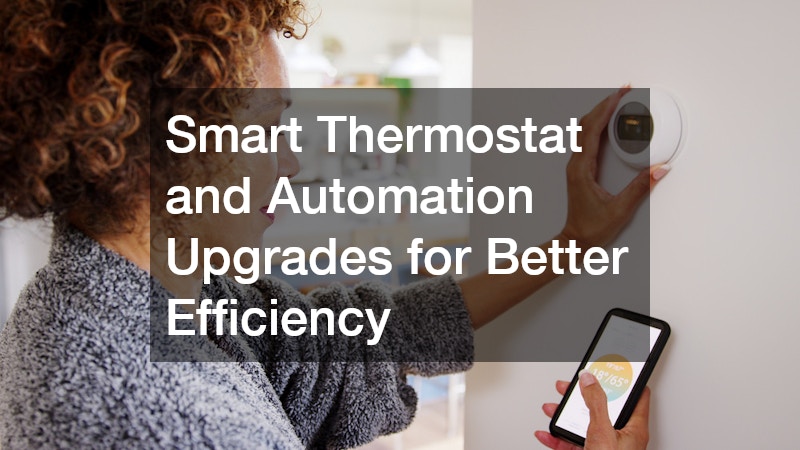
Smart Thermostat and Automation Upgrades for Better Efficiency
Technology has revolutionized how homeowners manage indoor comfort, making it easier than ever to optimize performance while reducing energy costs. Smart thermostats and automated systems provide greater control over your heating and cooling service, allowing adjustments based on your daily routine. These systems can learn your preferences over time and automatically adapt to maximize efficiency. Many homeowners are surprised at how much energy they can save simply by upgrading their thermostat.
In addition, integrating automation with professional HVAC services ensures that your system operates at peak performance. This combination of technology and maintenance creates a more responsive and cost-effective home environment. Over time, these improvements can significantly lower utility bills while enhancing comfort.
Benefits of upgrading:
- Remote access through smartphone apps
- Automatic adjustments based on usage patterns
- Reduced energy consumption and lower costs
Actionable tips:
- Install a programmable or smart thermostat
- Set schedules that match your daily routine
- Use zoning systems to control specific areas of your home
- Pair automation with regular system maintenance
Investing in automation not only improves efficiency but also simplifies daily life. You no longer need to manually adjust settings throughout the day, as the system handles it for you. Over time, these upgrades contribute to a more sustainable home while reducing wear and tear on your equipment. By combining smart technology with consistent upkeep, you can maintain a comfortable environment without unnecessary energy waste.
When It’s Time to Replace Instead of Repair
Deciding whether to repair or replace a system can be challenging, especially when trying to balance short-term costs with long-term savings. Many homeowners continue repairing aging systems without realizing that replacement may be the more cost-effective option. As systems age, they become less efficient and more prone to breakdowns, which can quickly add up in repair expenses. Modern HVAC systems are designed with improved energy efficiency and performance, making them a worthwhile investment.
Additionally, newer models often come with warranties that provide added peace of mind. Consulting professionals who specialize in HVAC installation services can help you evaluate your options more clearly. Taking a strategic approach ensures you avoid unnecessary expenses while improving your home’s overall comfort.
Signs it’s time to replace:
- Your system is over 10-15 years old
- Frequent and costly repairs are becoming common
- Energy bills continue to rise despite maintenance
- System performance is inconsistent
What to consider:
- Compare long-term savings versus repair costs
- Look into energy-efficient models and rebates
- Evaluate warranty options for new systems
Making the decision to replace rather than repair can feel like a big step, but it often pays off in the long run. Newer systems operate more efficiently, reducing both energy usage and maintenance needs. They also provide more consistent performance, eliminating many of the frustrations associated with older equipment. By planning ahead and working with experienced professionals, you can make a confident decision that benefits your home for years to come.

Choosing the Right Professionals for Long-Term Results
The quality of your home systems depends heavily on the professionals you hire to install, maintain, and repair them. Choosing experienced and reputable experts ensures that the work is done correctly and safely. Many homeowners make the mistake of selecting contractors based solely on price, which can lead to subpar results and additional costs later. Working with skilled local plumbers and trusted plumbing contractors provides peace of mind and reliable service. These professionals understand local codes, common issues, and best practices for long-term performance.
Taking the time to research and vet your options can prevent costly mistakes. Ultimately, the right professionals become valuable partners in maintaining your home.
What to look for:
- Proper licensing and insurance
- Strong reviews and local reputation
- Clear communication and transparent pricing
Questions to ask:
- How much experience do you have with similar projects?
- Do you offer warranties on your work?
- Can you provide references from previous clients?
Building a relationship with reliable professionals makes future maintenance and repairs much easier. You’ll have trusted experts to call when issues arise, reducing stress and uncertainty. Over time, this consistency leads to better system performance and fewer unexpected problems. Investing in the right team is just as important as investing in the systems themselves.
Preventative Maintenance Steps You Can Do Yourself
Regular maintenance is one of the most effective ways to keep your home systems running smoothly and efficiently. Many issues that require professional plumbing services or repairs can be avoided with simple, routine care. Homeowners who take a proactive approach often experience fewer breakdowns and lower overall costs.
Maintaining your heating and cooling service system doesn’t require advanced skills, just consistency and attention to detail. Small tasks performed regularly can significantly extend the life of your equipment. In addition, preventative maintenance improves energy efficiency and system performance. Establishing a routine helps ensure nothing is overlooked.
Monthly tasks:
- Replace or clean air filters
- Check for leaks under sinks and around appliances
- Inspect vents and airflow
Seasonal maintenance:
- Flush your water heater
- Clean outdoor units and remove debris
- Test thermostat accuracy
Staying consistent with maintenance routines helps prevent minor issues from becoming major problems. It also gives you a better understanding of how your systems operate, making it easier to spot changes. While some tasks require professional assistance, many can be handled on your own with minimal effort. By combining DIY maintenance with occasional expert support, you create a balanced approach that keeps your home running efficiently.
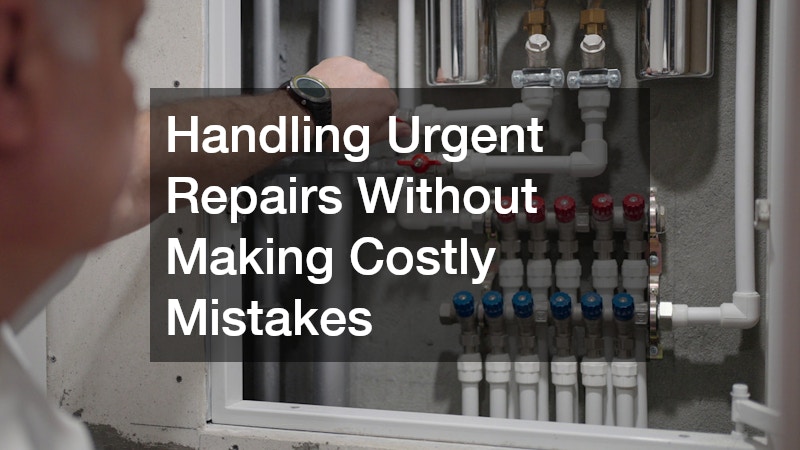
Handling Urgent Repairs Without Making Costly Mistakes
Unexpected issues can arise at any time, and knowing how to respond quickly can make a significant difference in the outcome. Emergency plumbing situations, in particular, can cause extensive damage if not addressed immediately. Whether it’s a burst pipe or a major leak, acting fast helps minimize water damage and repair costs. Many homeowners panic during emergencies and make decisions that worsen the situation. Understanding the basics of handling urgent repairs can help you stay calm and take the right steps. Having access to reliable plumbers ahead of time also ensures you’re not scrambling to find help. Preparation is key to managing these situations effectively.
Immediate steps to take:
- Shut off the main water supply
- Turn off electricity in affected areas if necessary
- Contain water with towels or buckets
Common mistakes to avoid:
- Delaying action
- Attempting complex repairs without experience
- Hiring unverified contractors in a rush
Being prepared for emergencies can significantly reduce stress and potential damage. Taking a few minutes to familiarize yourself with your home’s shut-off valves and basic controls can make a big difference. When an issue arises, acting quickly and contacting the right professionals ensures the problem is resolved efficiently. This level of preparedness helps protect both your home and your budget.
Energy-Efficient Upgrades That Lower Utility Bills
Improving energy efficiency is one of the most effective ways to reduce household expenses while also minimizing environmental impact. Modern HVAC services focus heavily on optimizing system performance to achieve better energy usage. Upgrading to high-efficiency systems can significantly lower monthly bills while improving overall comfort. In many cases, these upgrades require coordination with a local electrical service provider to ensure your home can support new equipment.
Electrical systems play a crucial role in powering advanced technologies and maintaining safety. Investing in energy-efficient solutions not only benefits your wallet but also contributes to a more sustainable lifestyle. Over time, these improvements can pay for themselves through reduced energy costs.
Upgrade options:
- High-efficiency heating and cooling systems
- Smart thermostats and automation tools
- Energy-efficient appliances and lighting
Additional tips:
- Seal air leaks around windows and doors
- Improve insulation
- Use ceiling fans to support airflow
Taking steps toward energy efficiency creates long-term benefits for your home. Not only do you reduce your utility bills, but you also improve system performance and reliability. These upgrades often increase property value as well, making them a smart investment. By working with knowledgeable professionals and making informed choices, you can create a more efficient and comfortable living space.
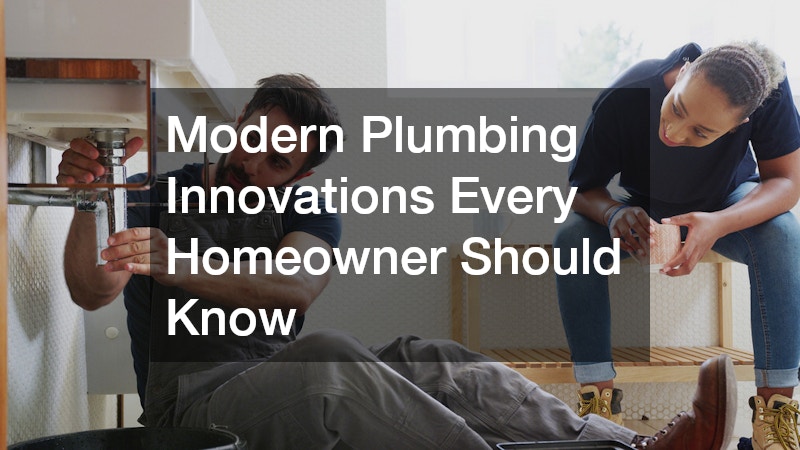
Modern Plumbing Innovations Every Homeowner Should Know
Advancements in plumbing technology have made it easier than ever to improve efficiency, conserve water, and enhance overall system performance. Today’s plumbing services include innovative solutions that go far beyond traditional repairs and installations. Many homeowners are now turning to modern upgrades to reduce water waste and increase convenience.
Experienced plumbing contractors can recommend solutions tailored to your home’s specific needs. From smart devices to advanced materials, these innovations offer long-term benefits. Staying informed about these options allows you to make better decisions when upgrading your system. As technology continues to evolve, the possibilities for improvement continue to expand.
Innovative solutions:
- Tankless water heaters for on-demand hot water
- Smart leak detection systems
- Low-flow fixtures that conserve water
Why these upgrades matter:
- Lower utility bills
- Reduced environmental impact
- Improved system reliability
Embracing modern plumbing solutions helps future-proof your home against common issues. These upgrades not only improve performance but also add convenience and peace of mind. Over time, the savings from reduced water usage and fewer repairs can be substantial. By staying proactive and working with knowledgeable professionals, you can take full advantage of these advancements.
Improving Indoor Air Quality with Better System Management
Indoor air quality has a direct impact on your health, comfort, and overall well-being. Many homeowners underestimate the importance of maintaining clean and properly functioning systems. Your HVAC system plays a major role in circulating and filtering the air throughout your home. Poor air quality can lead to allergies, respiratory issues, and discomfort, especially for sensitive individuals.
Upgrading your system through professional HVAC installation services can significantly improve air quality. Modern solutions offer advanced filtration and humidity control, creating a healthier indoor environment. Taking steps to improve air quality benefits everyone in your household.
Ways to improve air quality:
- Install high-efficiency air filters
- Use air purifiers and humidifiers
- Clean and seal ductwork
Benefits of better air quality:
- Reduced allergens and pollutants
- Improved respiratory health
- Increased comfort
Maintaining good air quality requires ongoing attention and care. Regular maintenance, combined with modern upgrades, ensures your system continues to perform effectively. Even small changes, like upgrading filters or cleaning ducts, can make a noticeable difference. By prioritizing air quality, you create a healthier and more comfortable home environment.
Building a Smarter, More Reliable Home System Strategy
Creating a long-term maintenance and improvement plan is essential for keeping your home systems running efficiently. Without a clear strategy, it’s easy to fall into reactive habits, only addressing issues when something breaks. A proactive approach helps you stay ahead of potential problems and avoid costly repairs. Establishing relationships with trusted local plumbers and a dependable local electrical service provider ensures you always have reliable support.
Planning ahead also allows you to budget for upgrades and maintenance more effectively. Keeping detailed records of past work helps you track performance and anticipate future needs. Over time, this organized approach leads to a more efficient and reliable home.
How to build your plan:
- Schedule regular inspections and maintenance
- Keep records of all repairs and upgrades
- Set aside a budget for unexpected issues
Stay organized:
- Use reminders for routine maintenance
- Monitor system performance
- Address small problems early
A well-structured plan takes the guesswork out of home maintenance and reduces stress. Instead of reacting to problems, you’ll be prepared for them before they occur. This approach not only saves money but also extends the lifespan of your systems. By staying consistent and organized, you create a home that is both efficient and dependable for years to come.