Key Takeaways
- Prioritize high-impact upgrades first. Invest in insulation, air sealing, quality windows, and efficient heating and cooling systems before spending on cosmetic or luxury features.
- Design with efficiency in mind. A well-planned layout, proper home orientation, and smart use of natural light can reduce energy consumption without adding significant construction costs.
- Focus on long-term value instead of the lowest upfront price. Durable materials and energy-saving systems often pay for themselves through lower utility bills and reduced maintenance.
- Prevent energy loss by creating a tight building envelope. Proper insulation, air sealing, and professional installation work together to keep indoor temperatures consistent and reduce strain on mechanical systems.
- Choose efficient equipment that matches your home’s needs. Correctly sized heating, cooling, lighting, and water-heating systems improve comfort while minimizing unnecessary energy use.
- Incorporate water-saving and landscaping strategies. Efficient fixtures, thoughtful outdoor design, and responsible water management contribute to lower operating costs and improved overall home performance.
- Plan upgrades strategically. Install features that are difficult to add after construction during the initial build, while leaving optional technologies and convenience upgrades for future improvements as your budget allows.
Building a home is one of the biggest investments you’ll ever make, and it’s also an opportunity to create a living space that saves money for years to come. Many people assume that energy-efficient homes require luxury budgets or expensive technology, but that’s far from the truth. Smart planning, thoughtful material selection, and strategic investments can dramatically reduce energy consumption without dramatically increasing construction costs.
The key is understanding where your money will have the greatest impact and avoiding upgrades that offer little long-term value. With careful decision-making, you can enjoy lower utility bills, greater indoor comfort, and a home that’s built to perform efficiently for decades while staying within your financial goals.
Why Should You Prioritize Energy Efficiency From the Start?
One of the biggest mistakes homeowners make is treating energy efficiency as something they can add later. While certain improvements can certainly be made after construction, building an efficient home from the beginning is almost always less expensive than retrofitting one later. Every decision—from the home’s orientation to the insulation installed behind the walls—affects long-term energy consumption.
Planning for efficiency early also gives you more flexibility in allocating your budget. Instead of spending heavily on cosmetic upgrades that may lose appeal over time, you can invest in systems and materials that continue delivering savings year after year.
An energy-efficient home provides benefits beyond lower electricity bills. It can also:
- Improve indoor comfort by maintaining consistent temperatures throughout the year.
- Reduce wear and tear on heating and cooling equipment.
- Increase property value and market appeal.
- Minimize maintenance costs over time.
- Lower your home’s environmental footprint.
When viewed over the life of the home, many energy-efficient decisions pay for themselves through reduced operating expenses.
Where Should Your Budget Go First?
Every homeowner has financial limits, making it important to prioritize improvements that provide the highest return on investment.
Rather than purchasing every available “green” product, focus first on the building envelope and systems that affect daily energy use.
High-priority investments include:
- Quality insulation
- High-performance windows
- Proper air sealing
- Efficient heating and cooling systems
- Durable roofing
- LED lighting
- Energy-efficient appliances
On the other hand, luxury smart-home gadgets and decorative upgrades can often wait until later.
Think of your construction budget as a pyramid. The foundation consists of elements you cannot easily replace after construction, while cosmetic upgrades sit near the top because they can be added over time.
Does Home Design Affect Energy Costs?
A home’s design plays a larger role in energy efficiency than many people realize. A well-designed layout naturally reduces heating and cooling demands without requiring expensive equipment.
Simple design strategies include:
Orient the Home Properly
Positioning major living spaces toward natural sunlight can reduce lighting needs while helping warm interiors during cooler months.
Minimize Unused Space
Large unused rooms increase heating and cooling requirements.
A more efficient floor plan often costs less to build while reducing long-term utility expenses.
Use Open Layouts Wisely
Open-concept homes can improve natural airflow, reducing dependence on mechanical cooling.
Consider Roof Overhangs
Properly sized overhangs help block intense summer sunlight while allowing lower winter sun to enter.
These architectural choices cost relatively little during construction but deliver savings throughout the home’s lifespan.
How Important Is Proper Insulation?
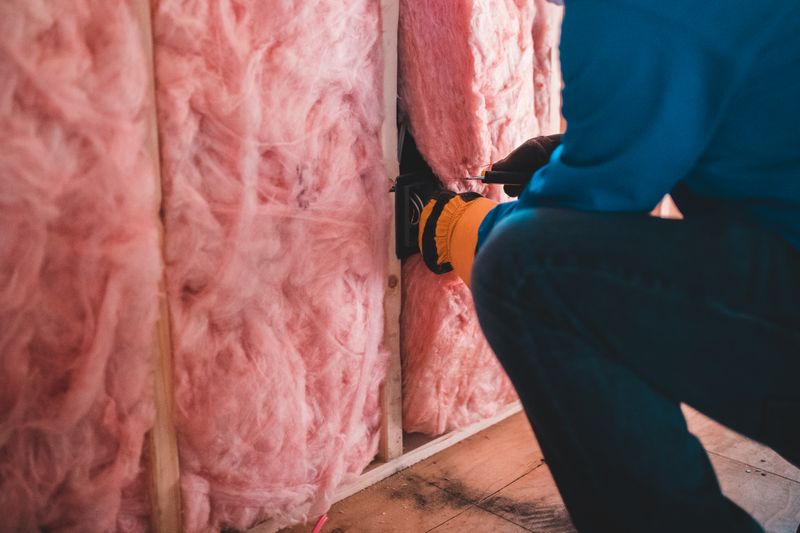
Insulation is one of the highest-value investments you can make.
When a home lacks proper insulation, it struggles to retain indoor temperatures, increasing the workload on heating and cooling equipment and driving up energy consumption.
Areas that deserve attention include:
- Exterior walls
- Attics
- Crawl spaces
- Basements
- Garage ceilings
- Rim joists
Choosing insulation with the proper R-value for your climate ensures maximum performance.
Although premium insulation materials may cost slightly more upfront, they often generate decades of reduced heating and cooling expenses.
Just as importantly, proper installation matters as much as the insulation itself. Gaps and compression significantly reduce effectiveness.
Can Better Windows Really Lower Utility Bills?
Windows account for a significant amount of unwanted heat gain and heat loss.
Fortunately, choosing efficient windows doesn’t necessarily mean buying the most expensive models available.
Look for features such as:
- Double-pane glass
- Low-E coatings
- Argon gas fills
- Quality weatherstripping
- Insulated frames
Proper installation is equally important.
Even premium windows perform poorly if gaps allow outside air to leak indoors.
Window placement also influences performance. Limiting large west-facing windows reduces afternoon heat buildup during warmer months.
Why is Air Sealing Just as Important as Insulation?
Many homeowners focus exclusively on insulation while overlooking air leaks.
Tiny gaps around windows, doors, plumbing penetrations, electrical outlets, attic hatches, and ductwork allow conditioned air to escape continuously.
Air sealing typically includes:
- Expanding foam
- Weatherstripping
- Caulking
- Door sweeps
- Sealed duct joints
Because air sealing materials are relatively inexpensive, this improvement offers one of the fastest returns on investment.
A tighter building envelope also improves indoor comfort by reducing drafts.
Should You Spend More on Your Roof?
The roof influences much more than weather protection.
Its color, material, and ventilation directly affect indoor temperatures.
Budget-friendly energy-saving roofing strategies include:
- Reflective roofing materials
- Proper attic ventilation
- Radiant barriers where appropriate
- Durable roofing with longer service life
Choosing higher-quality roofing materials may slightly increase construction costs but reduce replacement expenses later.
Good attic ventilation also prevents excess moisture buildup that can shorten roof life.
Which Heating and Cooling System Gives the Best Value?
Heating and cooling account for one of the largest portions of household energy use.
Instead of purchasing the biggest system available, choose equipment that’s properly sized for the home.
Oversized systems:
- Waste energy
- Wear out faster
- Create uneven temperatures
- Increase humidity problems
Undersized systems continuously struggle to maintain comfort.
Professional load calculations ensure equipment matches your home’s actual requirements.
Efficient heat pumps, variable-speed systems, and high-SEER air conditioners often recover their additional cost through lower operating expenses.
How Can Smart Plumbing Decisions Save Energy?
Many homeowners focus solely on electricity while overlooking water heating.
Water heating represents a significant portion of household energy use.
Money-saving strategies include:
- Installing insulated hot water pipes
- Choosing efficient water heaters
- Reducing pipe lengths
- Installing low-flow fixtures
- Using heat-trap fittings
These improvements reduce wasted energy while lowering water consumption.
During the construction phase, planning and coordinating home improvements carefully allows contractors to optimize layouts that reduce unnecessary pipe runs, simplify future maintenance, and avoid costly modifications later.
Are Energy-Efficient Appliances Worth the Investment?
Appliances operate daily, making their efficiency an important consideration.
Rather than replacing every appliance with premium models, prioritize those with the highest energy consumption.
These typically include:
- Refrigerators
- Washers
- Dryers
- Dishwashers
- Water heaters
Look for certified energy-efficient products that provide lower operating costs throughout their lifespan.
Remember that lifetime operating costs often exceed the initial purchase price.
What Role Does Lighting Play in Energy Efficiency?
Lighting technology has improved dramatically over the past decade.
LED bulbs consume significantly less electricity than traditional incandescent bulbs while lasting much longer.
Additional lighting strategies include:
- Maximize natural daylight.
- Install occupancy sensors in less-used rooms.
- Use dimmer switches.
- Choose lighter interior paint colors to reflect light.
- Add skylights where practical.
These improvements reduce electricity consumption without requiring major structural changes.
Should You Invest in Smart Home Technology?
Smart technology doesn’t have to mean an expensive, fully automated house.
Many affordable devices offer measurable savings.
Examples include:
- Smart thermostats
- Programmable lighting
- Smart power strips
- Leak detection systems
- Energy monitoring devices
A smart thermostat, for example, adjusts temperatures automatically when occupants leave the home, reducing unnecessary energy use.
Choose technologies with proven energy-saving benefits rather than purchasing gadgets solely for convenience.
How Can Landscaping Reduce Energy Bills?
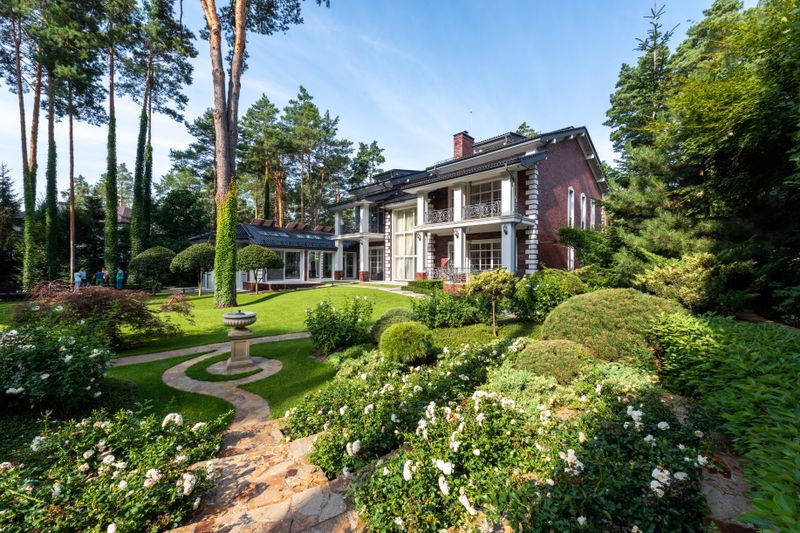
Outdoor planning contributes more to energy efficiency than many homeowners realize.
Proper landscaping helps regulate indoor temperatures naturally.
Consider:
- Planting shade trees near west-facing walls
- Using native plants requiring less irrigation
- Installing permeable landscaping
- Creating windbreaks in colder climates
- Reducing paved surfaces that retain heat
These strategies improve comfort while lowering cooling costs.
Why is Water Management Part of an Energy-Efficient Home?
Water conservation and energy efficiency go hand in hand.
Every gallon of water pumped, heated, or treated consumes energy.
Consider installing:
- Rainwater collection systems
- Efficient irrigation
- Smart irrigation controllers
- Drought-tolerant landscaping
- Efficient drainage systems
Reducing water waste also lowers energy consumption throughout the home’s infrastructure.
This is another reason homeowners should consider HVAC and plumbing systems together during the design stage so equipment placement, insulation, and water heating solutions work efficiently as a complete system rather than as separate installations.
What Building Materials Offer the Best Long-Term Value?
Not every premium material is worth the additional cost.
Instead, evaluate materials based on durability, maintenance requirements, lifespan, and energy performance.
Cost-effective choices include:
Fiber Cement Siding
Offers durability with relatively low maintenance.
Engineered Wood Products
Provide stability while reducing material waste.
Metal Roofing
Long lifespan offsets higher upfront costs.
Concrete Flooring
Provides thermal mass that helps regulate indoor temperatures.
Sustainable Insulation
Many recycled insulation products perform similarly to traditional options while supporting environmental goals.
Buying durable materials often reduces repair and replacement expenses over several decades.
How Can You Avoid Expensive Construction Mistakes?
Many budget overruns result from poor planning rather than material costs.
Avoid these common mistakes:
- Changing floor plans after construction begins.
- Ignoring energy modeling.
- Hiring inexperienced contractors.
- Purchasing oversized mechanical systems.
- Selecting incompatible materials.
- Delaying insulation decisions.
- Skipping quality inspections.
Creating a detailed construction plan before breaking ground minimizes costly surprises.
Working with experienced professionals also improves project coordination.
Which Upgrades Can Wait Until Later?
Not every efficiency improvement needs to happen immediately.
If your budget is limited, prioritize improvements that are difficult to install after construction.
These include:
Build now:
- Insulation
- Windows
- Air sealing
- Roof structure
- Ductwork
- Plumbing layout
Upgrade later:
- Solar panels
- Battery storage
- Smart appliances
- Electric vehicle chargers
- Home automation systems
This phased approach allows homeowners to spread costs over several years without sacrificing the home’s long-term efficiency potential.
How Can You Balance Initial Costs With Long-Term Savings?
One of the smartest ways to stay within budget is to evaluate purchases based on lifecycle cost rather than purchase price alone.
For example, spending slightly more on insulation or efficient windows may reduce monthly utility bills for decades. Likewise, selecting durable roofing materials can delay replacement costs and reduce maintenance expenses over the life of the home. Comparing products based on expected lifespan, maintenance requirements, and projected energy savings provides a clearer picture of overall value.
It’s also helpful to identify areas where lower-cost alternatives perform nearly as well as premium options. Not every upgrade requires top-of-the-line products, and in many cases, mid-range materials offer an excellent balance of affordability and performance. By carefully comparing long-term operating costs instead of focusing solely on upfront expenses, homeowners can make informed decisions that protect both their budget and future financial stability.
Why is Hiring the Right Professionals Worth It?
Building an energy-efficient home is a collaborative effort that relies on experienced professionals who understand how different components work together. Architects, builders, electricians, insulation installers, and mechanical contractors all play an important role in creating a home that performs as intended.
Hiring reputable professionals may not always be the cheapest option initially, but it often prevents expensive mistakes, delays, and repairs. Skilled contractors can recommend practical alternatives, identify cost-saving opportunities, and ensure installations meet manufacturer specifications and local building codes.
Don’t hesitate to ask prospective builders about previous energy-efficient projects, certifications, references, and quality control processes. Choosing a knowledgeable team helps ensure your investment delivers lasting comfort, efficiency, and value.
Conclusion
Building an energy-efficient home doesn’t require an unlimited budget—it requires smart priorities. By focusing on the home’s envelope, investing in quality insulation, selecting efficient windows, properly sizing mechanical systems, and choosing durable materials, you can significantly reduce long-term operating costs while staying within your financial limits. Many of the most effective energy-saving strategies are incorporated during the design and construction phases, making early planning one of the most valuable investments you can make. As your budget allows, additional upgrades can be added over time to further improve performance.
With thoughtful decision-making and a long-term perspective, you can create a comfortable, durable, and efficient home that delivers lasting savings, supports a more sustainable lifestyle, and provides excellent value for years to come.