
A main sewer or septic backup is every homeowner’s absolute worst nightmare. Within minutes, toxic wastewater, bacteria, and raw sewage can surge back up through basement drains, showers, and toilets, causing thousands of dollars in structural damage and contaminating living spaces. Beyond the immediate health hazards, the biohazard cleanup process is exhausting, intrusive, and financially draining. Most homeowners give little thought to their waste lines until water stops draining, but waiting for a catastrophic backup to occur transforms a preventable maintenance task into a high-stress emergency.
Fortunately, the vast majority of residential waste backups are completely preventable. They rarely happen overnight; instead, they are the cumulative result of gradual grease accumulation, unaddressed tree root intrusion, sagging pipe structures, or improper household disposal habits. By understanding how your waste management infrastructure operates and implementing smart, proactive maintenance protocols, you can keep your home’s plumbing flowing smoothly. This comprehensive guide outlines the essential strategies every homeowner needs to protect their property from devastating waste line backups.
Control What Enters Your Drain Network Day-to-Day
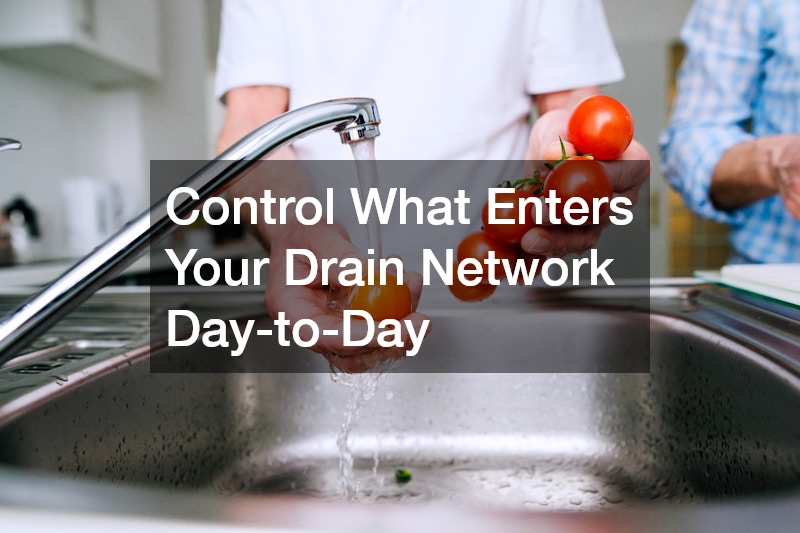
The first and most effective defense against a catastrophic sewer backup begins right at your sinks, showers, and toilets. Every substance poured down a drain or flushed down a toilet eventually travels through your home’s central stack and into the main sewer lateral or septic tank. Educating your household on what can and cannot safely enter the drainage system is the single most impactful habit you can form to preserve pipe capacity.
Fats, oils, and grease—often referred to collectively as FOG—are the leading causes of residential kitchen drain blockages. When warm cooking oil, bacon grease, or buttery sauces are liquid, they slip easily down the sink. However, as soon as these substances enter the cooler underground pipes, they cool, solidify, and cling to the interior walls of your plumbing. Over time, this grease layer thickens, trapping food particles, coffee grounds, and debris until the pipe diameter is severely restricted. Always pour used cooking fats into a disposable container, allow them to solidify, and throw them in the trash rather than down the drain.
Another major threat to modern drainage systems is the widespread use of non-flushable wipes. Despite marketing claims printed on packaging, so-called “flushable” wipes do not break down rapidly in water like traditional toilet paper. Synthetic fibers in these wipes remain intact as they travel through your pipes, easily catching on microscopic pipe imperfections, rough joints, or root intrusions. Once one wipe snags, others quickly accumulate behind it, forming a dense, impenetrable wad that causes rapid sewage backups.
- Never flush paper towels, facial tissues, wipes, or feminine hygiene products.
- Install fine-mesh drain strainers over shower and bathtub drains to catch loose hair.
- Scrap leftover food scraps into the compost or trash rather than relying heavily on the garbage disposal.
- Collect cooking fats and grease in tin cans or glass jars instead of pouring them down the sink.
Establishing strict disposal habits protects your drains from immediate clogs, but lingering odors or slow-draining fixtures may indicate deeper problems developing down the line. When household fixtures begin gargling or draining at a crawl, scheduling a seasonal inspection with a trusted local plumber can resolve small branch line obstructions before they back up completely. A thorough evaluation using specialized plumbing services can assess the health of your main stack and clear stubborn buildup safely.
Adopt Proactive Line Maintenance and Mechanical Clearing Protocols

Even if you are diligent about what goes down your drains, organic bio-films, mineral scale, and soap scum naturally coat the interior of waste pipes over the years of use. Leaving these deposits unaddressed narrows the internal clearance of your sewer lateral, making it easy for everyday toilet paper to trigger a complete backup. Adopting a proactive cleaning routine ensures your main lines remain open and functioning at maximum capacity.
Many homeowners turn to bottle after bottle of caustic chemical drain openers at the first sign of a slow drain. However, chemical cleaners are notoriously ineffective against major mainline blockages and do far more harm than good. These heavy chemical formulas rely on intense heat-generating reactions that can soften, warp, or crack PVC pipes, corrode older cast-iron lines, and damage the protective rubber seals inside your fittings. Furthermore, if the chemical fails to clear the clog, your pipes remain filled with toxic, highly corrosive liquid, creating a severe safety hazard for anyone performing subsequent repairs.
- Avoid caustic store-bought chemical drain cleaners that eat away at pipe walls and rubber fittings.
- Use a mechanical drain auger or snake to break up isolated, soft clogs near fixtures.
- Flush drains periodically with hot water and enzyme-based biological cleaners to safely consume organic buildup.
- Schedule a professional main line scouring every two to three years to eliminate hardened scale and grease.
When dealing with deep, heavy buildup along your main sewer lateral, professional mechanical clearing is essential. Standard drain augers are great for poking a hole through an immediate clog to restore basic flow, but they leave heavy grease coatings and scale sticking to the pipe walls. High-pressure hydro-jetting, on the other hand, uses specialized nozzles that blast water through your pipes at extreme pressure, scouring the interior clean and washing away years of accumulated sludge.
Investing in routine, professional drain cleaning removes grease, hair, and mineral scale before partial clogs turn into total home backups. Partnering with reputable, fully licensed plumbing companies allows you to establish a regular maintenance schedule that keeps your home’s main lateral clear and operating at peak flow rate year-round.
Maintain On-Site Septic Systems and Absorption Fields
For homes not connected to a municipal sewer network, an on-site septic system handles all household wastewater processing. A standard septic system consists of an underground tank that receives waste, separates solids from liquids, and discharges treated effluent into a soil absorption drain field. Because a septic system operates as a closed, self-contained ecosystem, neglecting its maintenance guarantees a severe backup into your home or a catastrophic failure of your leaching area.
Inside the septic tank, wastewater separates into three distinct layers: heavy solids settle to the bottom forming a layer of sludge, oils and fats float to the top forming a scum layer, and relatively clear liquid effluent sits in the middle. Beneficial anaerobic bacteria naturally break down organic matter in the sludge layer, but non-digestible solids inevitably accumulate over time. If the sludge and scum layers grow too thick without being pumped out, solid waste overflows the tank output baffle and enters the soil absorption field. Once solids enter the drain field, they clog the porous soil, destroying its ability to absorb liquid and forcing untreated sewage back up into home fixtures.
- Have your septic tank inspected annually and pumped every three to five years, depending on household size.
- Keep heavy vehicles, heavy machinery, and permanent structures off your drain field to prevent soil compaction.
- Spread out laundry loads over the course of the week to avoid flooding the septic tank with high water volumes.
- Divert roof gutters, sump pump discharge, and surface runoff away from the absorption area to prevent soil saturation.
Preventing septic backups requires consistent care and a clear understanding of your system’s processing capacity. Working alongside a certified septic tank cleaning company ensures your tank is pumped efficiently, its baffles are thoroughly inspected, and accumulated sludge is disposed of safely. Routine care and timely septic tank repairs prevent structural damage to the tank and leach field, keeping your waste system working dependably for decades.
Safeguard Infrastructure against Tree Roots and Structural Shifts
The pipes buried beneath your yard face constant environmental threats that can compromise their structural integrity over time. Soil settling, seismic movement, freeze-thaw cycles, and heavy vehicle traffic above ground can cause underground sewer pipes to shift, crack, sag, or collapse entirely. Understanding these subterranean threats allows homeowners to take corrective action before structural damage causes an absolute line failure.
Tree root intrusion is the single most common cause of structural damage to underground sewer laterals. Tree roots naturally seek out moisture, oxygen, and nutrients in the soil. Microscopic root hairs can detect the tiny moisture vapors leaking from microscopic cracks or loose joints in underground clay, cast-iron, or concrete pipes. Once a root hair enters a pipe joint, it feeds on the nutrient-rich wastewater inside, expanding rapidly into a dense, thick web of roots. This root mass acts as a physical net, catching toilet paper and solids until the pipe is completely choked off.
- Avoid planting deep-rooting trees or large shrubs directly over or near your underground sewer lateral.
- Look for warning signs of pipe sags, such as localized wet patches in your lawn or lush green grass growth above the line.
- Schedule a sewer camera inspection if you experience repeated, unexplained backups across multiple fixtures.
- Consider trenchless pipe lining or pipe bursting technology to restore damaged pipes without destroying landscaping.
When underground lines age and suffer structural degradation, patching individual sections from the surface can be intrusive and expensive. Modern trenchless pipe restoration methods, such as Cured-In-Place Pipe (CIPP) lining, allow technicians to pull a flexible, resin-saturated liner directly into your existing damaged pipe through a small access point. Once cured, this liner creates a seamless, joint-free, root-proof pipe within the old structure, fully restoring wastewater flow with minimal disruption to your lawn.
Engaging experienced plumbing contractors to perform video camera inspections provides a clear view of your line’s internal condition and reveals exact defect locations. Upgrading fragile, aging clay or corroded iron pipes to seamless, root-resistant modern materials creates durable septic systems and lateral lines designed to resist soil pressures and root intrusion for generations.
Install Backflow Prevention Devices and Build an Emergency Protocol
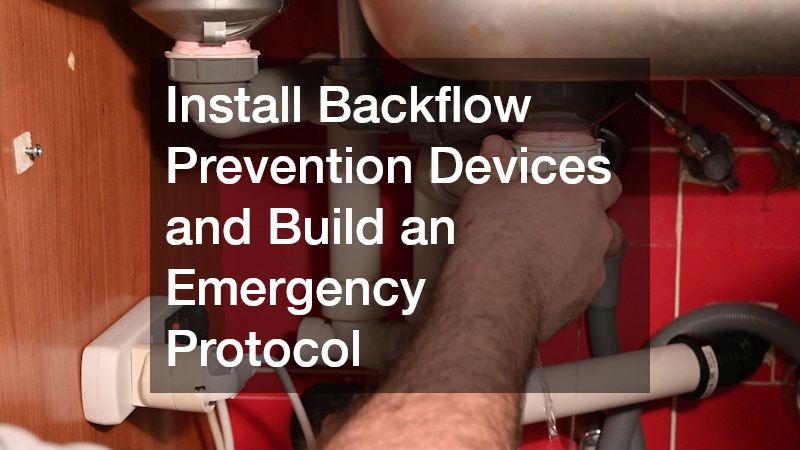
Even if your private plumbing network is impeccably maintained, external factors beyond your control can still cause severe waste backups. During intense rainstorms or rapid snowmelt, municipal sewer mains can become completely overwhelmed by storm runoff entering the sanitary system. When the city’s main surcharges, the immense pressure forces rising wastewater backward through private sewer laterals, pushing raw sewage up through the lowest drains in nearby homes.
To defend your property against municipal sewer surges, install a mechanical backwater valve on your main sewer line where it exits your foundation. A backwater valve features a hinged flapper that normally rests open, allowing your home’s wastewater to drain outward freely. However, if sewage begins flowing backward from the city main toward your house, the reverse pressure forces the flapper shut, creating a watertight mechanical seal that blocks incoming sewage from entering your basement or ground-floor fixtures.
- Install a mainline backwater valve to block municipal sewer surcharges from backing up into your basement.
- Maintain basement sewage ejector pumps, clean float switches, and install battery backup systems.
- Label your main water shut-off valve clearly so every household member can close it quickly during a backup.
- Assemble a dedicated emergency cleanup kit containing protective gear, heavy buckets, and disinfectant supplies.
In addition to mechanical backflow prevention, every homeowner should prepare a clear emergency response protocol. If you ever experience a major drain backup, immediately shut off your home’s main water supply to prevent anyone from adding more water to the system by flushing toilets or running faucets. Keep an emergency toolkit nearby that includes rubber boots, heavy gloves, bucket sets, specialized pipe plugs, and contact details for emergency restoration specialists saved in your phone.
Having a certified residential plumber inspect your basement drainage and install backflow prevention devices gives you invaluable peace of mind during heavy seasonal rains. Furthermore, keeping the contact details of a licensed, on-call plumber readily accessible near your main shut-off panel ensures you can act instantly to stop water flow and limit property damage if an emergency ever occurs.
Conclusion
Protecting your home from the devastation of a waste line backup requires a proactive, educated approach to plumbing management. By controlling what enters your drains, scheduling regular mechanical cleanings, maintaining septic components, safeguarding pipes against tree roots, and installing backflow prevention valves, you build an effective defense against catastrophic household flooding.
The investment required to inspect and maintain your waste lines is a tiny fraction of the thousands of dollars needed for biohazard remediation and structural repairs after a major sewage failure. Taking care of your home’s hidden infrastructure ensures that wastewater flows away safely and reliably, keeping your family healthy and your property secure. Take time today to check your fixtures, review your household waste habits, and schedule a professional line inspection to ensure your system remains clear for years to come.