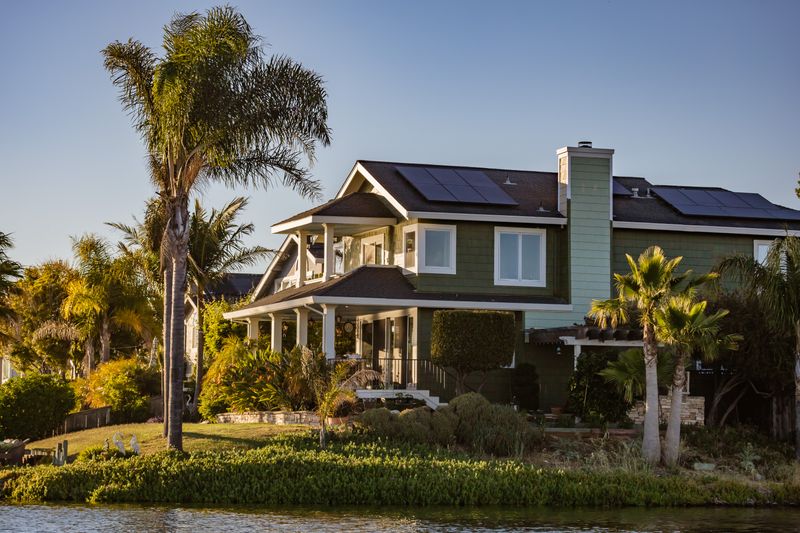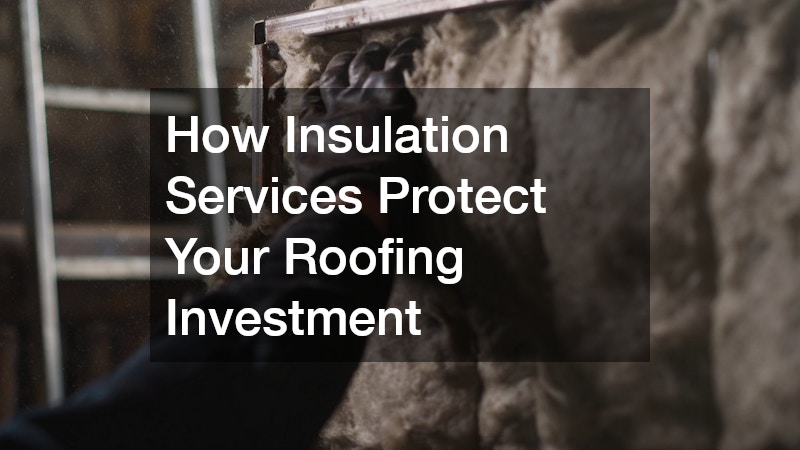
Most homeowners think of a roof as a standalone system that simply keeps rain and weather outside. In reality, your roof is directly connected to what happens inside your attic and throughout the rest of your home. Temperature fluctuations, trapped moisture, poor airflow, and inadequate insulation can all shorten the lifespan of roofing materials long before homeowners expect problems to appear.
When attic temperatures become too hot in summer or moisture builds during colder months, roofing materials begin deteriorating from underneath. Shingles may curl, wood decking can weaken, and mold growth may spread through hidden areas of the home. Over time, these issues increase energy costs and create expensive structural damage that could have been prevented with proper maintenance and planning.
Why Heat And Moisture Shorten Roof Lifespans
Heat and moisture are two of the biggest threats to long-term roof performance. While many homeowners focus on storms or visible exterior damage, hidden attic conditions often create problems that slowly weaken roofing materials over time.
A roofing structure constantly expands and contracts due to changing outdoor temperatures. During hot summer months, attic temperatures can exceed 150 degrees if airflow and insulation are inadequate. Excessive heat radiates upward against roofing materials and accelerates wear from below.
Professional insulation services help regulate attic temperatures by slowing heat transfer between living spaces and the roof structure. Balanced temperatures reduce thermal stress that causes materials to crack, warp, and deteriorate prematurely.
Moisture is another major threat homeowners frequently miss. Warm indoor air naturally rises into the attic. Without proper airflow and insulation, condensation forms on wood framing and roof decking. Over time, trapped moisture creates ideal conditions for:
- Mold growth
- Wood rot
- Mildew accumulation
- Rusted fasteners
- Insulation deterioration
- Structural weakening
When these problems continue unchecked, homeowners may eventually require extensive roof repairs involving damaged decking and framing components.
Warning Signs Your Attic Environment Is Causing Damage
Roofing issues caused by attic conditions often develop quietly. Recognizing early warning signs can help homeowners avoid major structural problems and expensive repairs later.
Common warning signs include:
- Uneven indoor temperatures
- Higher-than-normal energy bills
- Ice dams form in winter
- Musty attic odors
- Visible moisture stains
- Sagging ceiling areas
- Peeling paint near rooflines
If homeowners notice these symptoms, scheduling a professional inspection early can prevent minor issues from becoming major expenses.
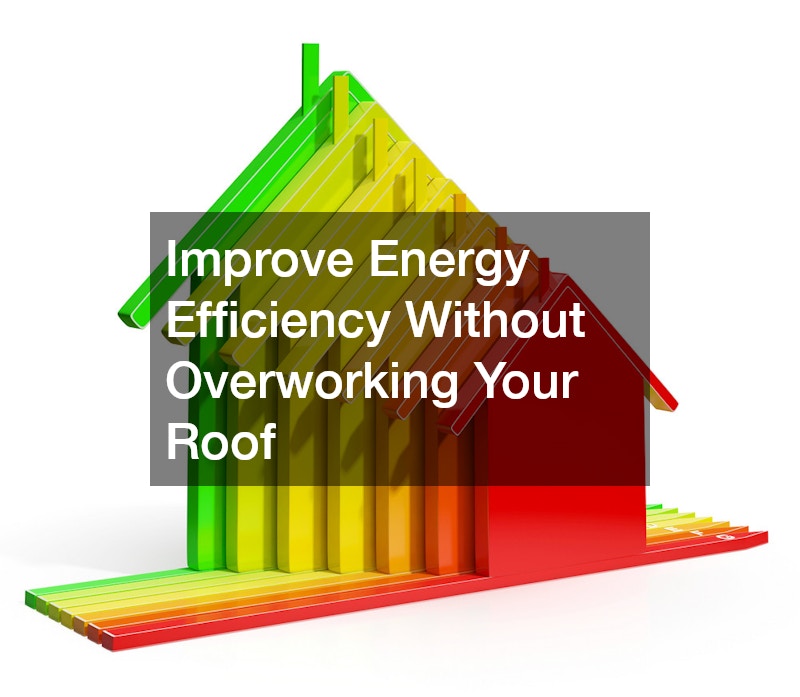
Improve Energy Efficiency Without Overworking Your Roof
Attic insulation plays a major role in protecting roofing materials while improving indoor comfort throughout the year. When insulation levels are inadequate, excess heat and moisture create unnecessary stress on the entire roofing structure.
One of the most overlooked benefits of attic upgrades is how much they reduce stress on roof components throughout the year. Homes with poor insulation force heating and cooling systems to work harder, which also affects attic temperatures and roofing materials.
Quality insulation services create a barrier that helps maintain stable indoor temperatures. This reduces extreme attic heat during summer and minimizes warm air loss during winter.
A properly insulated attic can provide several long-term advantages:
- Lower monthly utility costs
- More consistent indoor comfort
- Reduced HVAC strain
- Improved humidity control
- Less thermal expansion and contraction
- Better overall roofing performance
Many homeowners are surprised to learn how closely roofing materials and energy efficiency are connected. Professional roofing services often include attic evaluations because contractors understand how insulation affects the roof’s overall condition.
Choosing The Right Type Of Insulation
Different insulation materials provide different levels of protection depending on climate, attic design, and moisture exposure. Choosing the right material can improve efficiency while helping preserve the roof structure.
Fiberglass Batt Insulation
- Affordable and widely available
- Effective in standard attic layouts
- Easy to install and replace
Blown-In Cellulose
- Excellent for filling gaps and corners
- Provides strong thermal performance
- Often made from recycled materials
Spray Foam Insulation
- Creates an airtight seal
- Helps prevent moisture intrusion
- Offers superior energy efficiency
Areas Homeowners Should Prioritize
Attics are not the only areas where insulation affects roofing performance. Improving insulation throughout the home creates more stable indoor temperatures and reduces heat transfer into attic spaces.
Important areas include:
- Attics
- Crawl spaces
- Garage ceilings
- Exterior wall cavities
- Basement rim joists
Improving these areas reduces heat transfer and creates a more balanced indoor environment that benefits the roof year-round.
Prevent Water Damage Before It Reaches Your Roof Deck
Water intrusion can quietly damage roofing materials long before leaks become visible inside the home. Proper drainage and moisture control are essential for protecting both the roof deck and attic insulation.
Water management plays a critical role in protecting roofing materials. Even a durable roof can suffer severe damage if water cannot drain away properly.
Rainwater that pools near roof edges or overflows from clogged gutters often seeps beneath roofing materials. Once moisture reaches the roof deck, structural deterioration can begin quickly.
Professional seamless gutter services help direct water safely away from the home while reducing the risk of leaks and wood rot. Seamless systems contain fewer joints and weak points, making them less likely to leak or clog over time.
Poor drainage can contribute to several serious problems:
- Rotted fascia boards
- Damaged soffits
- Foundation erosion
- Mold growth
- Wet attic insulation
- Interior ceiling leaks
How Gutters Affect Attic Conditions
Failing gutters can indirectly damage attic insulation and roofing materials. When water enters through roof edges or overflow areas, insulation absorbs moisture and loses effectiveness.
Wet insulation:
- Compresses and deteriorates
- Encourages mold growth
- Loses thermal resistance
- Creates musty odors
- Increases indoor humidity
These conditions often lead homeowners to seek local roof repair services after leaks begin appearing indoors.
To avoid these issues, homeowners should follow a consistent maintenance schedule throughout the year.
Seasonal Maintenance Tips
Routine maintenance helps homeowners catch small drainage problems before they turn into larger structural concerns. Seasonal inspections also help preserve attic insulation and roof materials year-round.
Spring
- Remove debris from gutters
- Inspect downspouts
- Check attic moisture levels
Summer
- Examine roof edges for warping
- Inspect flashing around vents
- Look for signs of mold growth
Fall
- Clear leaves from the drainage systems
- Inspect for loose shingles
- Check attic ventilation
Winter
- Watch for ice dams
- Remove heavy snow accumulation
- Inspect ceilings for leaks
Preventive maintenance is one of the most cost-effective ways to preserve roofing materials and extend the lifespan of the entire exterior protection system.
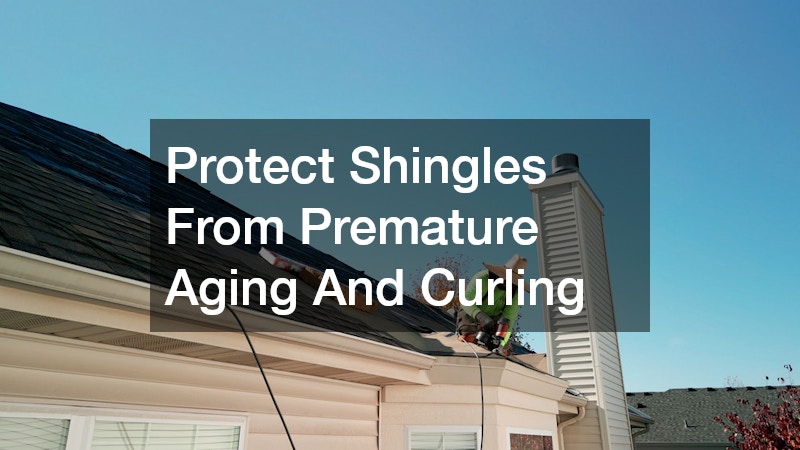
Protect Shingles From Premature Aging And Curling
Shingles are designed to withstand years of outdoor exposure, but excessive attic heat and trapped moisture can dramatically shorten their lifespan. Poor ventilation underneath the roof surface often causes roofing materials to deteriorate faster than expected.
Over time, homeowners may notice:
- Curling edges
- Cracking
- Granule loss
- Fading
- Uneven wear patterns
Many homeowners schedule professional shingle roofing service after noticing visible deterioration, but the root problem often begins inside the attic.
Why Ventilation Matters
Ventilation is essential for controlling attic temperatures and preventing moisture buildup beneath the roof surface. Without proper airflow, roofing materials experience constant thermal stress.
Proper ventilation allows hot air and moisture to escape before they damage roofing materials. Without adequate airflow, temperatures beneath the roof surface rise dramatically.
Balanced ventilation systems typically include:
- Ridge vents
- Soffit vents
- Gable vents
- Powered attic fans
These components work together to maintain consistent airflow and reduce stress on shingles.
Maintenance Habits That Extend Roof Lifespan
Consistent maintenance can significantly extend the life of roofing materials while reducing the likelihood of hidden structural problems. Small preventative steps often save homeowners from major repair expenses later.
Helpful strategies include:
- Scheduling annual roof inspections
- Replacing damaged shingles quickly
- Monitoring attic humidity levels
- Improving airflow where needed
- Removing debris from roof valleys
- Trimming overhanging tree branches
When ignored, minor issues often develop into more serious roof repairs involving structural damage beneath the roofing surface.
The Cost Of Delaying Repairs
Roofing damage rarely improves on its own. Delaying maintenance allows moisture and heat-related issues to spread further into the attic and structural framework.
Delaying repairs may result in:
- Larger leak areas
- Mold remediation costs
- Damaged insulation
- Higher utility bills
- Interior drywall repairs
- Shortened roof lifespan
In severe cases of long-term moisture damage, homeowners may eventually need a full roof replacement to restore structural integrity.
Prevent Structural Damage Before It Spreads
Structural roofing problems often begin with small moisture issues hidden inside attic spaces. Over time, trapped humidity and poor ventilation can weaken wood framing, roof decking, and insulation materials.
Moisture-related roofing issues rarely stay isolated. Once water penetrates the roof deck or attic space, damage can spread quickly through wood framing and insulation materials.
Excess moisture creates serious long-term risks homeowners should never ignore.
Potential issues include:
- Rotted wood decking
- Sagging rooflines
- Mold contamination
- Rusted fasteners
- Cracked framing members
- Ceiling damage
A reputable roofing company should inspect attic ventilation and insulation, along with exterior roofing materials, to identify the root cause of recurring damage.

Signs Homeowners Should Call Professionals Immediately
Some roofing problems require immediate professional attention to prevent dangerous structural deterioration. Addressing warning signs early can help homeowners avoid much larger restoration projects later.
Call a professional if you notice:
- Active leaks during storms
- Visible roof sagging
- Large water stains on ceilings
- Persistent mold odors
- Cracking drywall near ceilings
- Condensation inside the attic
In many cases, homeowners seeking local roof repair discover that insulation and ventilation issues contributed heavily to the problem.
Why Early Action Matters
Moisture-related structural damage becomes more expensive and widespread the longer it is ignored. Early intervention helps prevent damage from spreading into surrounding materials and living spaces.
Early intervention helps:
- Preserve structural integrity
- Prevent mold spread
- Reduce repair costs
- Extend roof lifespan
- Improve indoor air quality
Proactive inspections can save homeowners thousands of dollars over the long term.
What To Look For When Hiring Roofing Professionals
Choosing the right contractor plays a major role in protecting your roof investment. Experienced professionals understand how insulation, ventilation, drainage, and roofing materials work together to support long-term durability.
Choosing the right contractor can make a major difference in roofing quality, energy efficiency, and long-term durability. Unfortunately, many homeowners hire contractors based solely on price and later experience poor workmanship or incomplete repairs.
Reliable residential roofing companies take a comprehensive approach that includes insulation, ventilation, drainage, and structural evaluation.
Before choosing a contractor, homeowners should understand what separates experienced professionals from companies that only provide surface-level inspections.
Qualities Of A Trustworthy Contractor
Not all roofing contractors provide the same level of expertise or attention to detail. Asking the right questions and reviewing qualifications carefully can help homeowners make better long-term decisions.
Experienced professionals should provide:
- Clear written estimates
- Proof of licensing and insurance
- Detailed inspection findings
- Transparent timelines
- Warranty information
- Strong local references
Homeowners should also verify whether contractors understand attic airflow and moisture management, not just exterior roofing materials.
Why Whole-System Knowledge Matters
Modern roofing systems function as part of a larger home environment. Contractors who only focus on exterior materials may overlook hidden issues involving ventilation, insulation, or moisture control.
Professional residential roofers recognize that roofing systems function as part of a larger home environment. Focusing only on shingles without addressing insulation or ventilation may leave homeowners vulnerable to recurring problems.
Comprehensive inspections often include:
- Attic temperature evaluations
- Ventilation assessments
- Moisture readings
- Insulation condition checks
- Drainage inspections
This broader approach helps identify the root causes of roofing damage instead of simply treating symptoms.
Red Flags Homeowners Should Avoid
Homeowners should be cautious of contractors who rush inspections or avoid discussing ventilation and attic conditions. Poor workmanship often creates recurring roofing problems that become expensive later.
Warning signs include:
- Extremely low bids
- Demands for large upfront payments
- Lack of written documentation
- Refusal to inspect attic spaces
- Poor communication
- No local references
Taking time to research contractors carefully helps homeowners avoid expensive mistakes.
The Importance Of Maintenance Plans
Long-term roof protection requires ongoing inspections and preventative maintenance. Reliable contractors often recommend maintenance programs that help catch small issues before they become major repairs.
Maintenance programs may include:
- Annual inspections
- Ventilation monitoring
- Gutter cleaning recommendations
- Moisture assessments
- Minor repair services
Regular maintenance helps extend the roof’s lifespan while reducing the likelihood of sudden major repairs.
Long-Term Protection Starts Inside The Attic
A roof protects far more than the structure beneath it. It helps maintain indoor comfort, supports energy efficiency, and shields the home from moisture and weather damage year-round. However, roofing materials cannot perform properly when attic conditions create constant stress from heat buildup, humidity, and poor airflow.
By improving insulation, ventilation, and drainage systems, homeowners can significantly extend the lifespan of their roof while reducing the risk of costly structural problems. Consistent maintenance and early inspections also help identify hidden issues before they become major repairs.
Investing in proactive home protection today can save substantial money in the future while improving comfort, durability, energy efficiency, and long-term property value.